Beaconside C of E Primary School & Acorn Nursery
Foundation Subjects at Beaconside
Science:
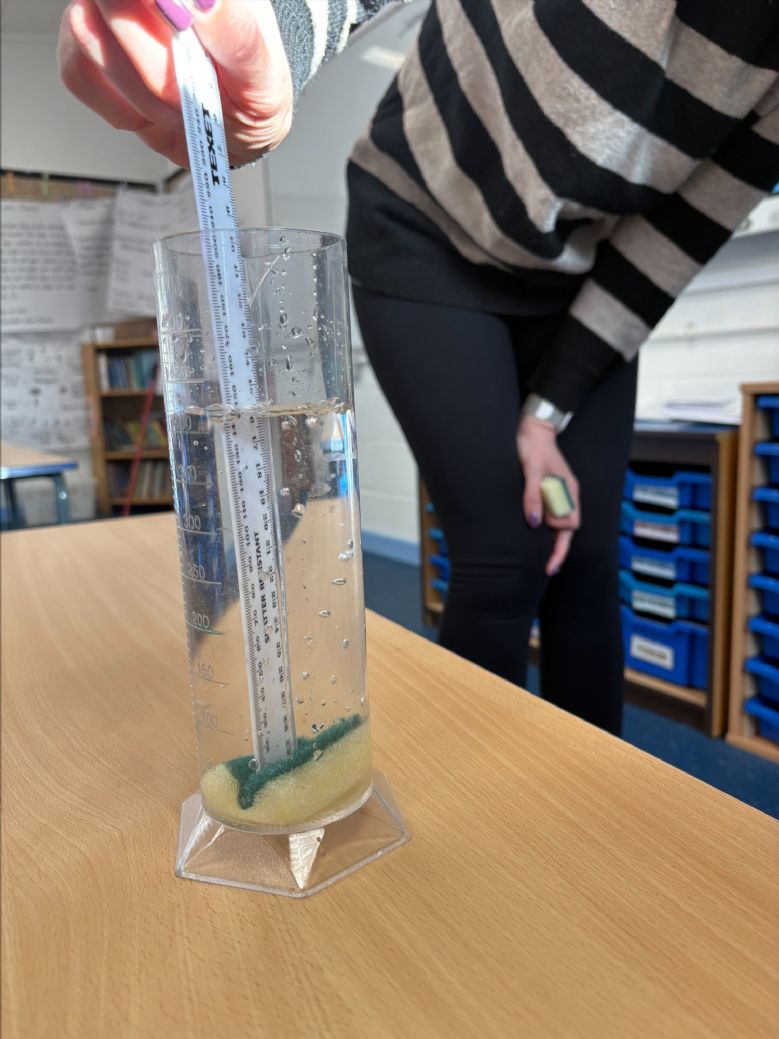
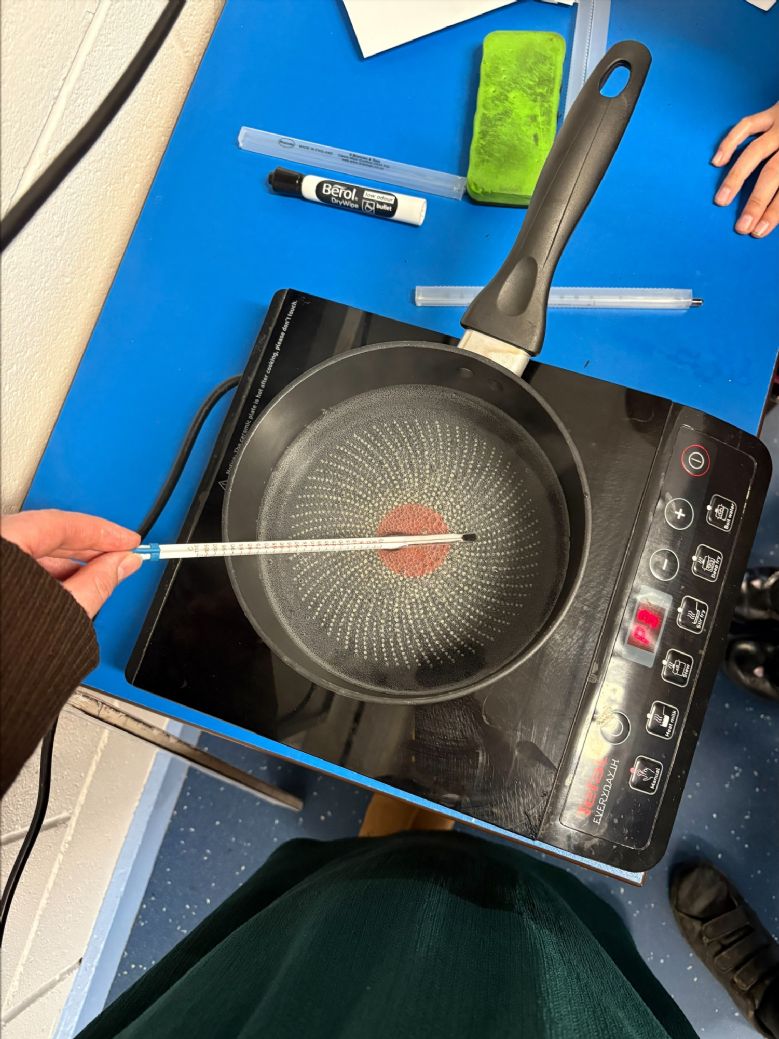
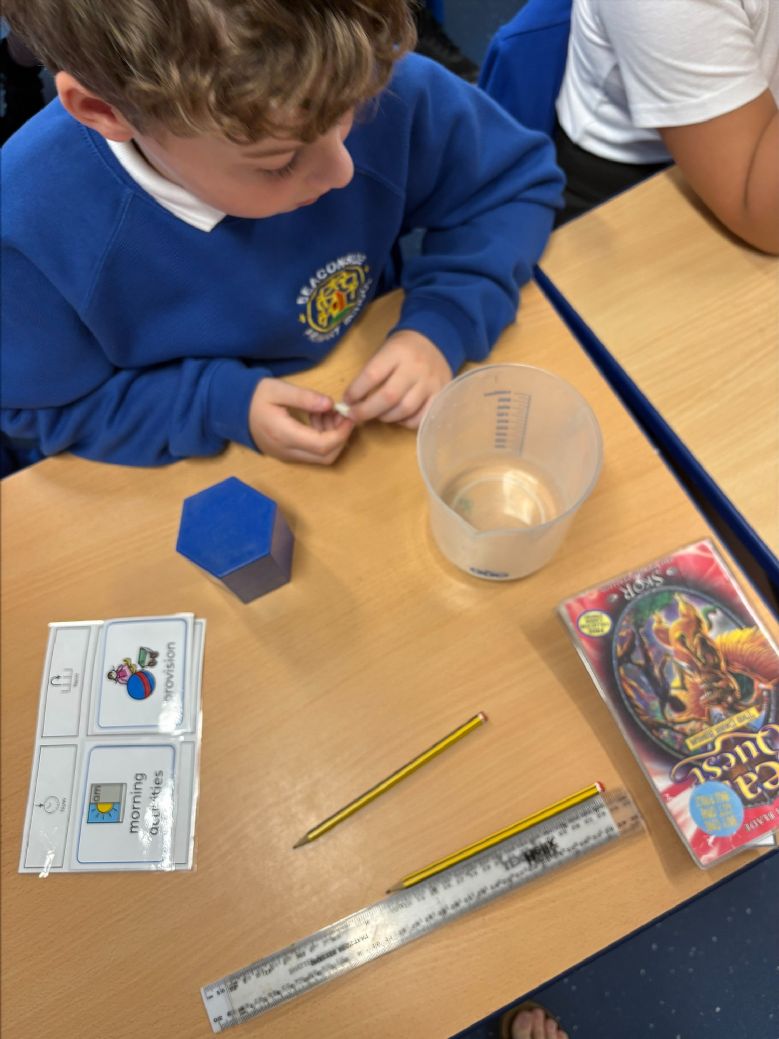
For Science, we have developed our own knowledge rich curriculum which is underpinned by the National Curriculum. This has allowed for clear links to themes such as comparing animals in Australia to that of the UK in Year1 and animals that are found in the rainforest in Year 4. There is a great emphasis on investigative Science and learning will be practical wherever possible. There are also close links with Design and Technology where children will get the opportunity to apply their knowledge of zip wires in Year 3 and electricity in Year 5. In Year 2, children learn about states of matter and this is repeated in Year 4. Year 6's learn about how light travels in straight lines and how shadows are formed.
Computing:
We base our Computing curriculum on the Purple Mash scheme of work, which ensures pupils gain a solid grasp of the knowledge, skills and understanding needed to move onto further study at KS3. Key elements of the scheme include understanding how to use technology successfully, the importance of online safety and learning how to code a wide range of different programmes!
Art:
This is another scheme of work that has been written by ourselves with Mrs Hall having carefully thought and written a programme of work that combines famous artists from abroad with local artists. The children will get the opportunity to visit Heaton Cooper Art studio in Year 3 and learn about Charlene Mullen and create work on London landmarks in her style.
Design and Technology:
Here at Beaconside, Design and Technology aims to inspire pupils to be creative, practical and reflective learners. Children develop knowledge, understanding and skills in mechanisms, structures, textiles and construction, learning how to design purposeful, functional and appealing products for themselves and others. They explore how products are made, how materials are selected and used, and how structures can be strengthened, stiffened and reinforced. Cooking and nutrition are an integral part of the Design and Technology curriculum. Pupils are given the opportunity to create a range of food products while learning essential skills in food preparation and cooking.
Across all DT projects, children follow a clear process of researching, designing, making and evaluating their work, building on prior learning year-on-year. Projects are linked to class topics and include activities such as jam and stew making, creating carnival wings in Year 4, constructing Viking longboats in Year 5 and designing Morse code boxes in Year 6.
PE:
From Reception all the way up to Year 6, we follow the Striver scheme of work, which has been carefully designed to build skills across sports and across year groups. In KS1, there is a large emphasis placed on developing key skills such as co-ordination, throwing and catching, among others, to set a solid foundation for their PE skills. Moving into KS2, these skills will then be placed into the context of various different sports, such as football, tag – rugby, tennis and basketball. The list is endless!
PSHE:
For this area of learning, we follow the Scarf schemes of work. Each year prior learning is built on. This also covers aspects of mental health and Sex and relationships.
Music:
We currently use the Charanga scheme of learning for our music teaching throughout school. This is a structured scheme of learning that builds pupils' knowledge, skills and understanding of music, giving them time to study important pieces of music and also to learn how to create music.
From Year 3, the children can also learn a musical instrument with instruction from a peripatetic music teacher, in conjunction with the Cumbria Music Service. The children can learn instruments such as the guitar, flute, drums and many more! If you are interested in your child learning a musical instrument, please contact the school office.
Geography:
Our Geography curriculum has been written with our local area at the forefront of our minds. The Lake District is a key theme that runs throughout our learning across every year of Geography at Beaconside. Children learn about physical and human features of our area and use this knowledge regularly to draw comparisons to other countries around the world.
We enable children to become keen Geographers by teaching them map reading skills, compass skills and how to collect data as well as encouraging the children to be curious about the world and how people and places interact. Beaconside's Geographers can ask questions about landscapes, environments, weather, cities, and cultures and use their knowledge and understanding to explore answers to these questions. Some of the key learning included in the curriculum for Year 1 is comparing Penrith in Cumbria and Penrith in Australia, in Year 3 the children identify the physical features of mountain ranges around the world and in Year 5, the children compare USA, Russia and the UK’s human and physical geography.
History:
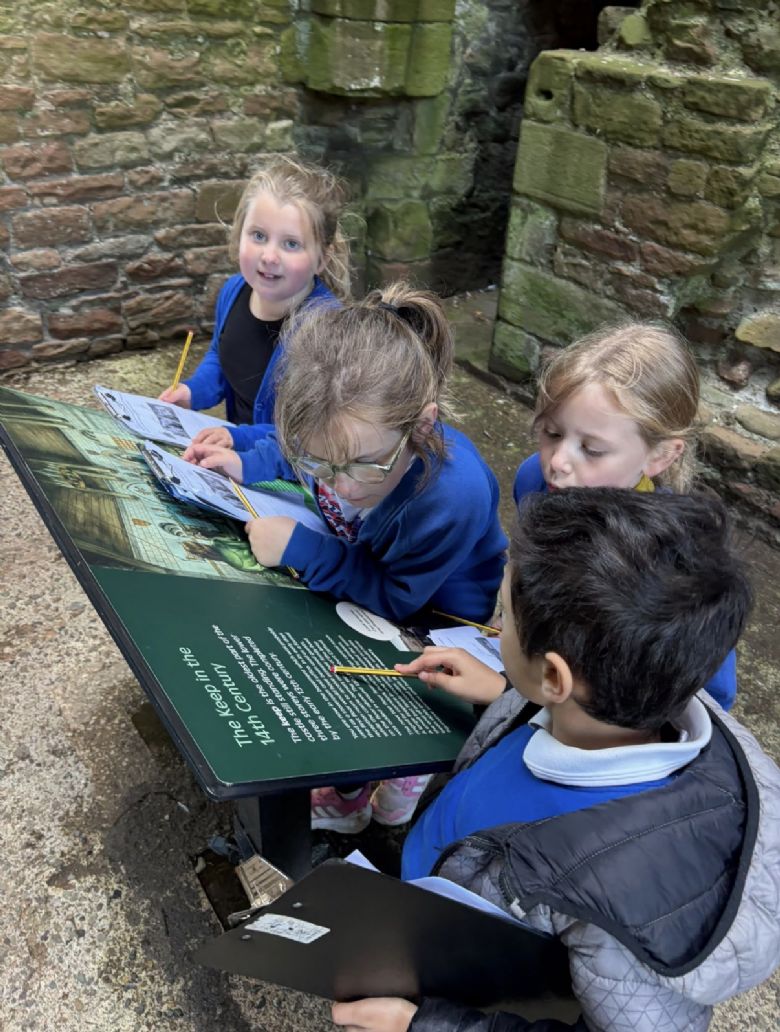
Here at Beaconside, we are very keen on bringing history to life and ensuring our children have every opportunity to get out and take advantage of our rich local history. As such, the history curriculum is designed to build upon learning year-on-year and to consolidate this learning with hands-on experiences wherever possible. KS1 history includes learning all about Penrith (past and present) in year 1, and the history of Penrith Castle and famous firsts in flying in year 2. These topics include visits to Penrith Castle, Carlisle Castle and the Solway Aviation Museum. In Key Stage 2, we continue to take advantage of our local area, which is steeped in history, and build upon this learning by investigating the Border Wars and visiting Brougham Castle in Year 3. Exploring the local historic Roman sites Vindolanda, Housesteads and the Roman Army Museum in year 4. In year 5, we visit Moorforge Viking Settlement as part of our study of the Vikings, and in Year 6, our post 1066 study is built all around World War 2, taking advantage of a visit to London and the Museum of Military Life in Carlisle, to introduce the War and how it has impacted our local area.
French:
In Key Stage 2, the children have weekly French lessons. Our teaching staff make use of the Primary Languages Network scheme of work which is an active and engaging approach to foreign language learning. We focus on key language learning skills (listening, speaking, reading and writing) in every French lesson, with the aim of our pupils being ready for further foreign language learning at secondary school and beyond.