Beaconside C of E Primary School & Acorn Nursery
Reception
Welcome to Reception!
We aspire for our learners to become confident, independent and inquisitive individuals who develop a lifelong love of learning. We believe the best way to achieve this in the Early Years Foundation Stage (EYFS) is through an engaging, stimulating and challenging environment where children are supported to learn through play.
Our five core values — Joy, Hope, Faith, Courage and Compassion — are at the heart of everything we do. We encourage children to find joy in their learning, have hope and excitement for the future, develop faith in themselves and their abilities, show courage when trying new things and demonstrate compassion towards others.
We recognise the importance of high-quality interactions in supporting children’s development. Through play, both indoors and outdoors, children are encouraged to explore, ask questions and develop their own ideas, thoughts and opinions in a safe, nurturing and caring environment.
Characteristics of Effective Learning
The Characteristics of Effective Learning are a key part of our Early Years Curriculum and support children to become confident, motivated and independent learners. They are grouped into three categories:
-
Playing and Learning
-
Active Learning
-
Creating and Thinking Critically
These characteristics encourage children to explore with joy, approach challenges with courage and develop faith in their own abilities as they learn and grow.
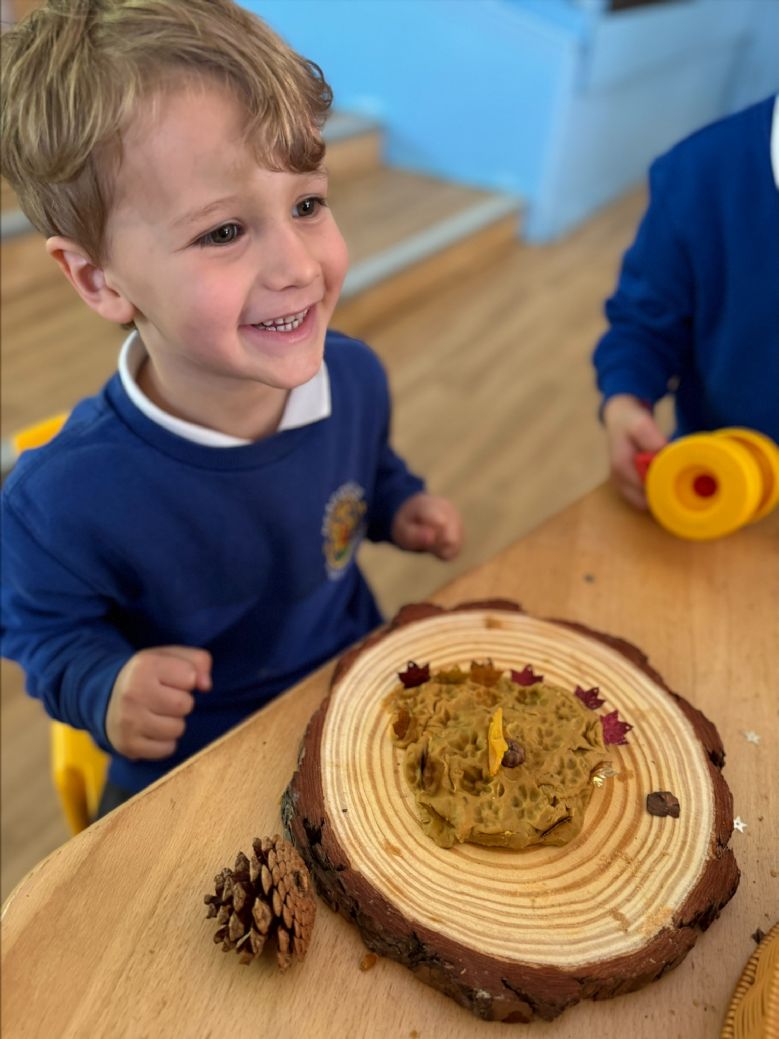
The Seven Areas of Learning
There are seven areas of learning and development within the EYFS. All areas are important, interconnected and contribute to each child’s overall development.
The three prime areas are crucial for igniting children’s curiosity and enthusiasm for learning and for developing the foundations they need to learn and thrive:
-
Communication and Language
-
Physical Development
-
Personal, Social and Emotional Development
The four specific areas build upon and strengthen the prime areas, allowing children to apply their developing knowledge and skills:
-
Literacy
-
Mathematics
-
Understanding the World
-
Expressive Arts and Design
Throughout all seven areas, we encourage children to discover the joy of learning, approach new experiences with hope and courage, develop faith in themselves and show compassion and kindness towards others.
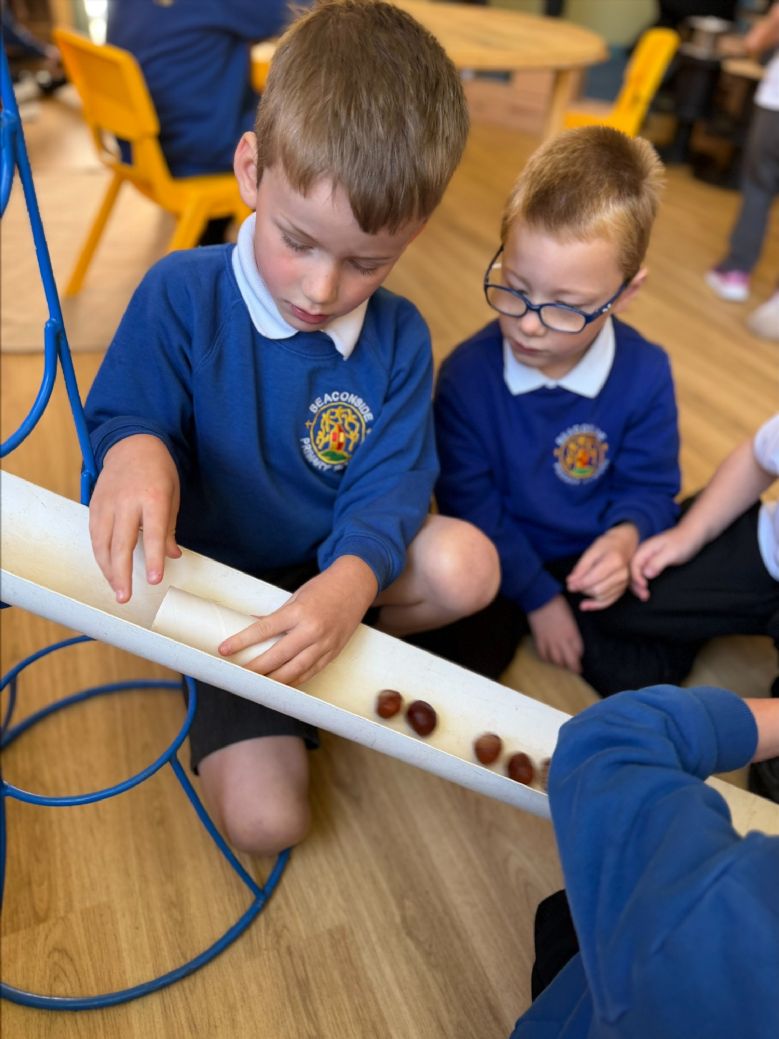
Reception Baseline Assessment
Upon entry to Reception, we undertake the Reception Baseline Assessment (RBA). This is a short, interactive and practical assessment that helps us understand your child’s starting points in literacy, communication and language, and mathematics. It uses familiar resources and is carried out by familiar adults in an everyday environment.
The assessment helps us to understand each child’s individual needs and plan learning experiences that enable them to flourish. We want every child to begin their Reception journey feeling safe, supported and ready to experience the joy of learning.
Early Years Foundation Stage Profile
At the end of the Reception year, staff complete the Early Years Foundation Stage Profile (EYFSP) for each child. This is a statutory assessment of children’s development at the end of the EYFS.
The profile assesses each child’s learning and development in relation to the 17 Early Learning Goals (ELGs). Its purpose is to provide a reliable, valid and accurate assessment of each child’s development and to help inform their next steps in learning.
We celebrate every child’s individual journey, recognising their achievements, nurturing their confidence and encouraging them to approach the next stage of their education with hope, courage and joy.
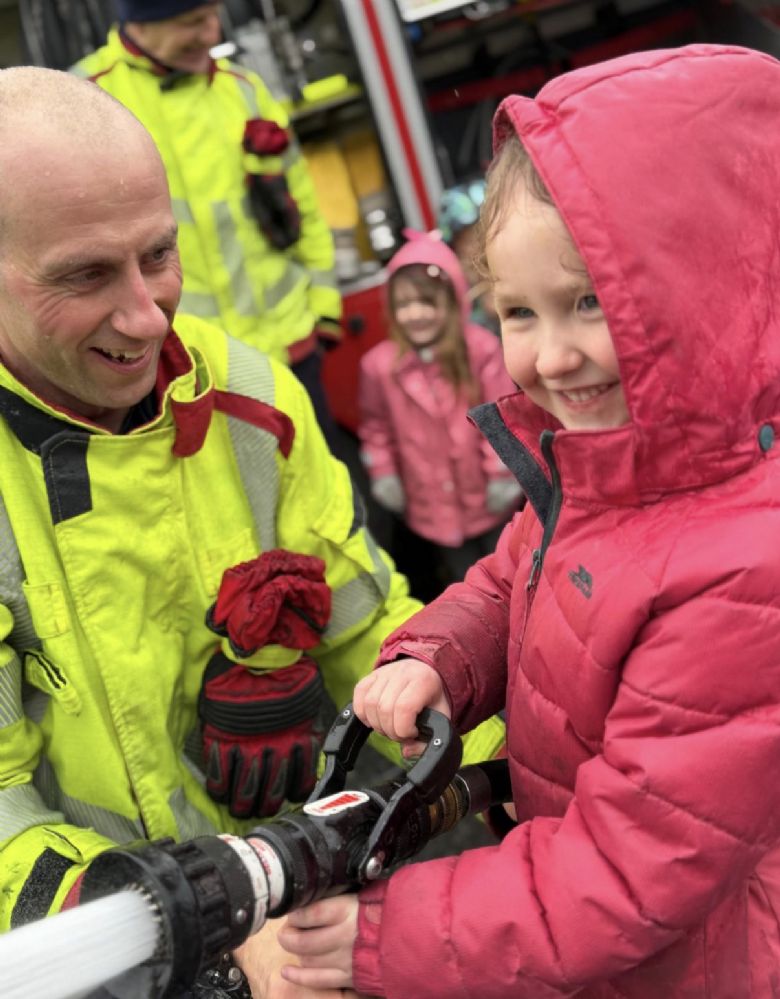
Independence
We encourage children to develop their independence throughout the Reception year, helping them build confidence, resilience and faith in their own abilities.
To support your child in preparing for Reception, we encourage them to practise:
-
Asking to use the toilet independently.
-
Beginning to dress and undress themselves.
-
Putting on and zipping up their own coat.
These everyday skills help children develop independence and the courage to try things for themselves. We will continue to support and encourage them as they grow in confidence.
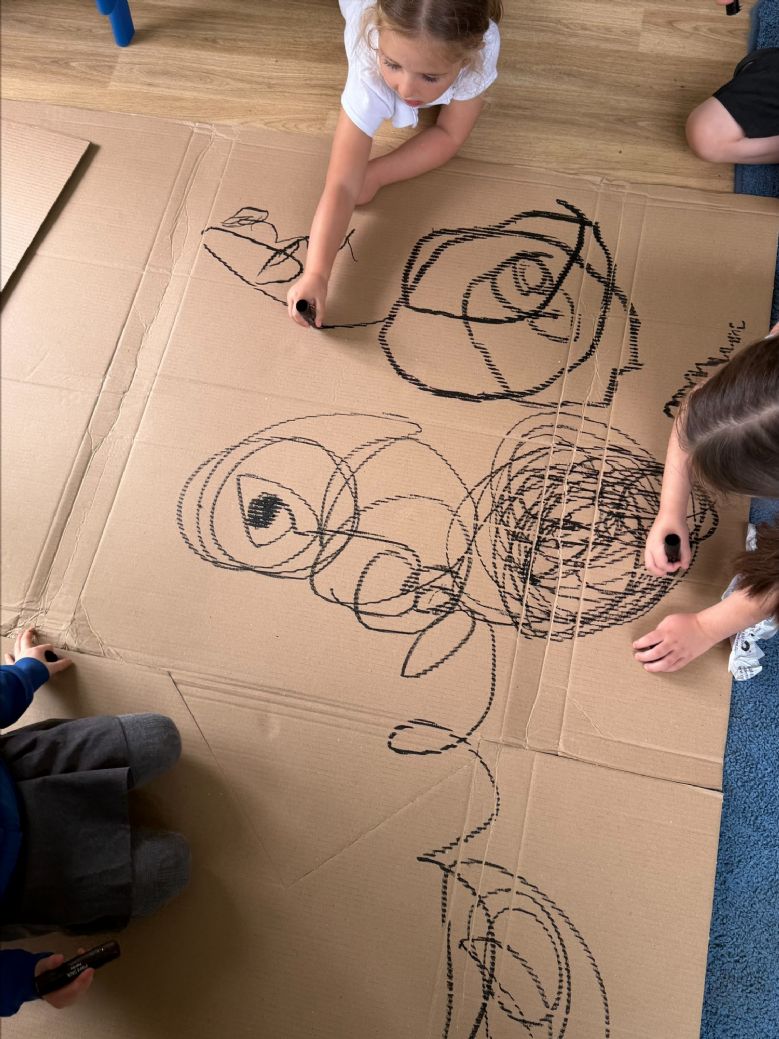
Environment
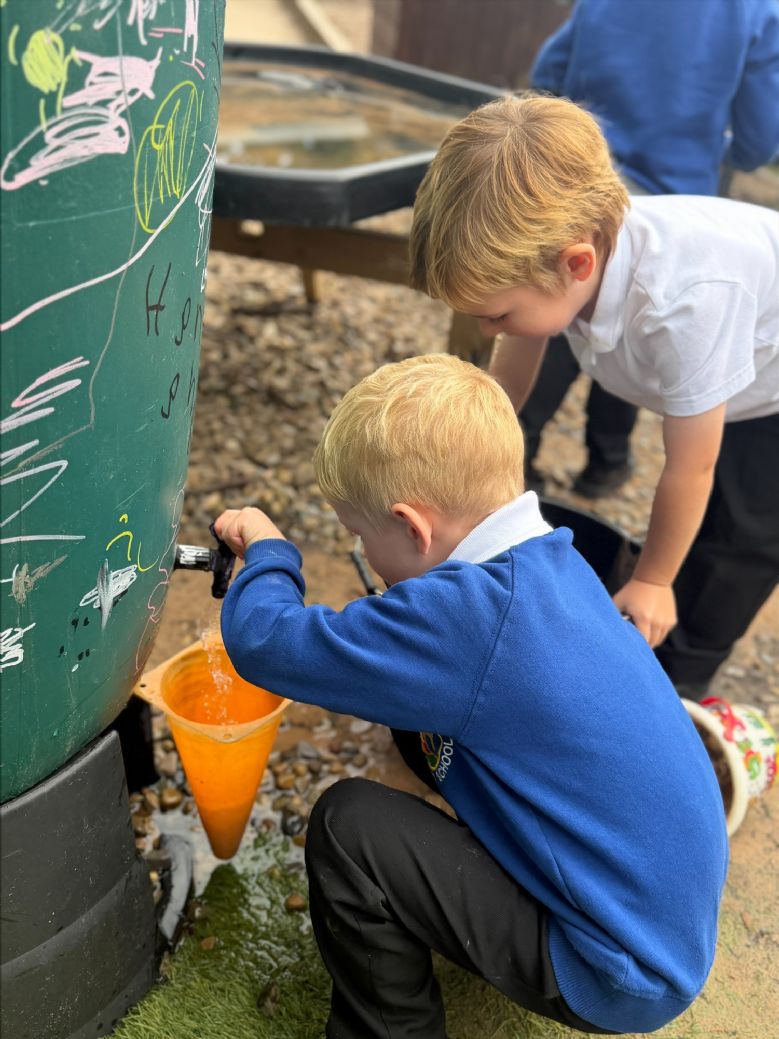
We are a free-flow setting, which means children can move freely between the indoor and outdoor environments and enjoy learning outside in a range of weather conditions.
Please ensure your child comes to school with a coat suitable for the weather. During the summer, children may also need a sun hat and sun cream applied before school. In winter, a warm coat and jumper are essential.
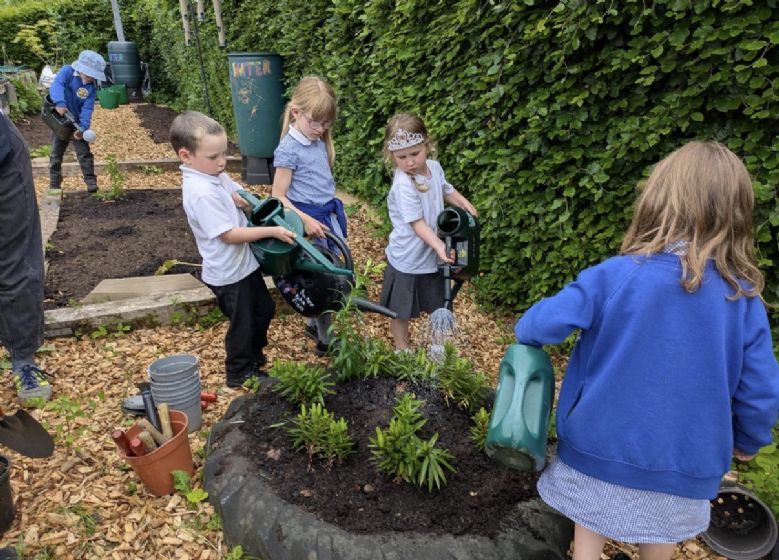
Our outdoor environment provides wonderful opportunities for children to explore, discover and learn with joy and curiosity, developing confidence and a sense of wonder about the world around them.
Messy Play
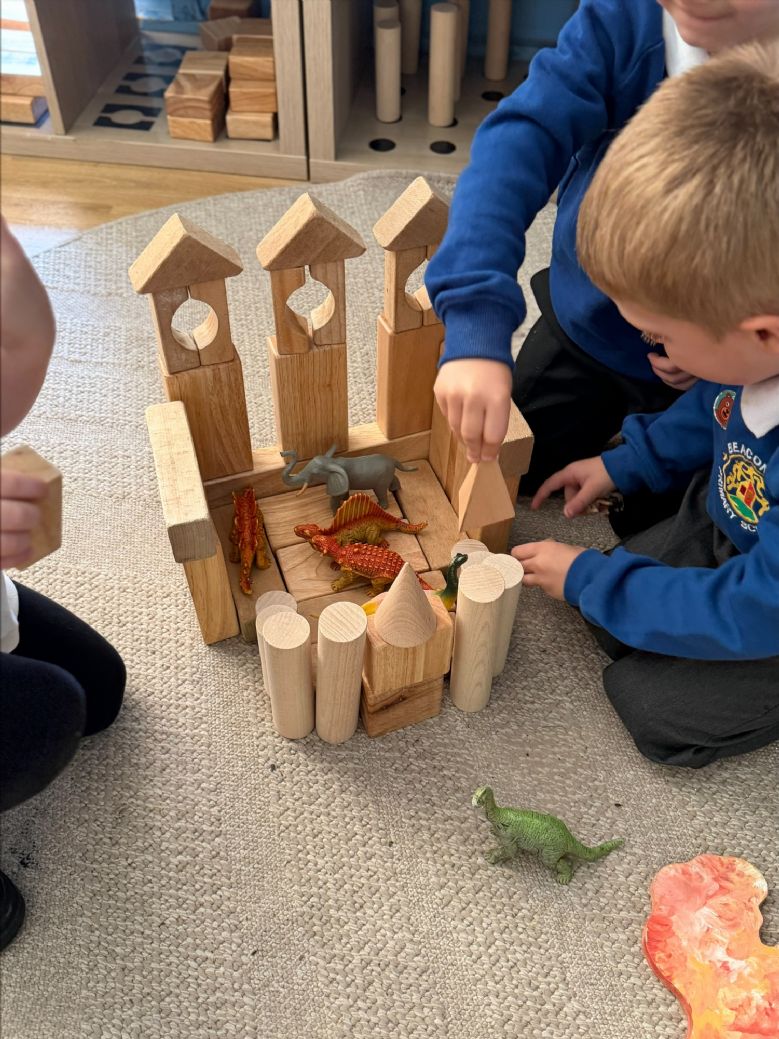
Exploratory play is an important part of learning in Reception and takes place both indoors and outdoors. This can sometimes mean that uniforms become dirty or wet!
Messy play supports the development of gross and fine motor skills and allows children to investigate the world around them by touching, exploring, creating and experimenting. These experiences encourage courage as children try new things, joy as they make discoveries and hope as they begin to imagine new possibilities.
Please provide your child with the following named items:
-
A pair of wellies.
-
Waterproof clothing.
-
A change of clothes.
PE
We begin PE in Autumn 2. Please bring a named PE kit at the start of each half term. A named tote bag can work well for keeping everything together.
-
Miss Bolam’s PE day: Monday
-
Miss Hill’s PE day: Tuesday
PE provides opportunities for children to develop their physical skills, confidence and teamwork. We encourage them to participate with joy, show courage when learning new skills and demonstrate compassion by supporting and encouraging one another.
Outdoor Learning
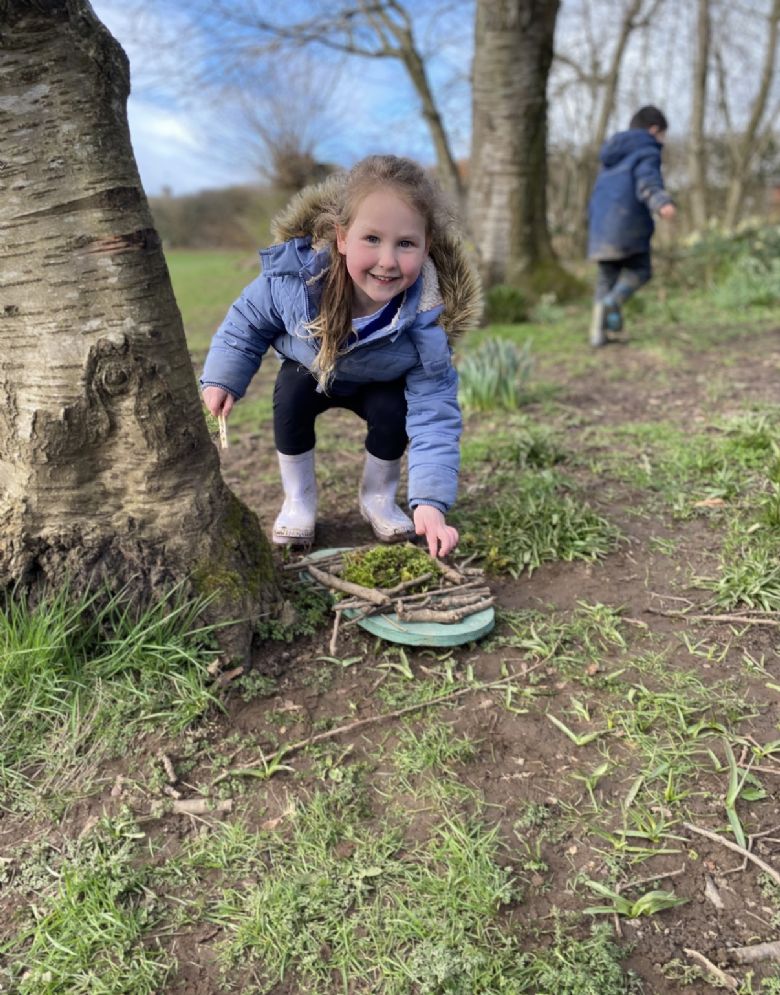
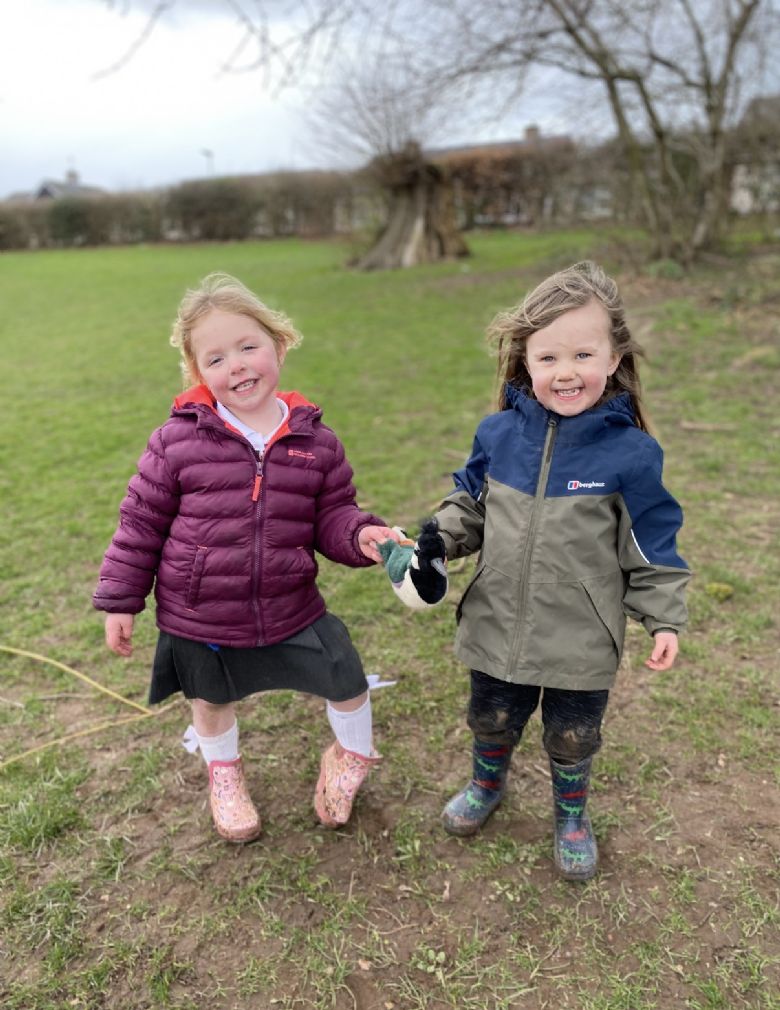
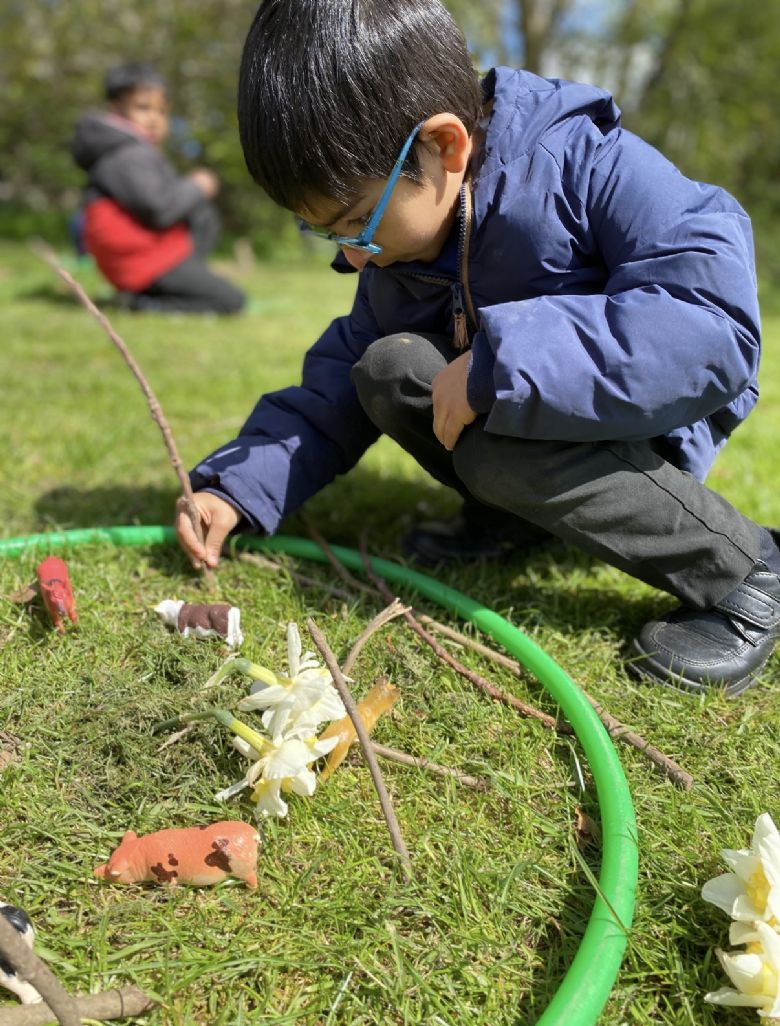
Children participate in outdoor learning on a Wednesday morning.
Water Bottles
Children should bring a named water bottle to school every day, filled with water. Please ensure your child’s name is clearly visible on their bottle.
Snack
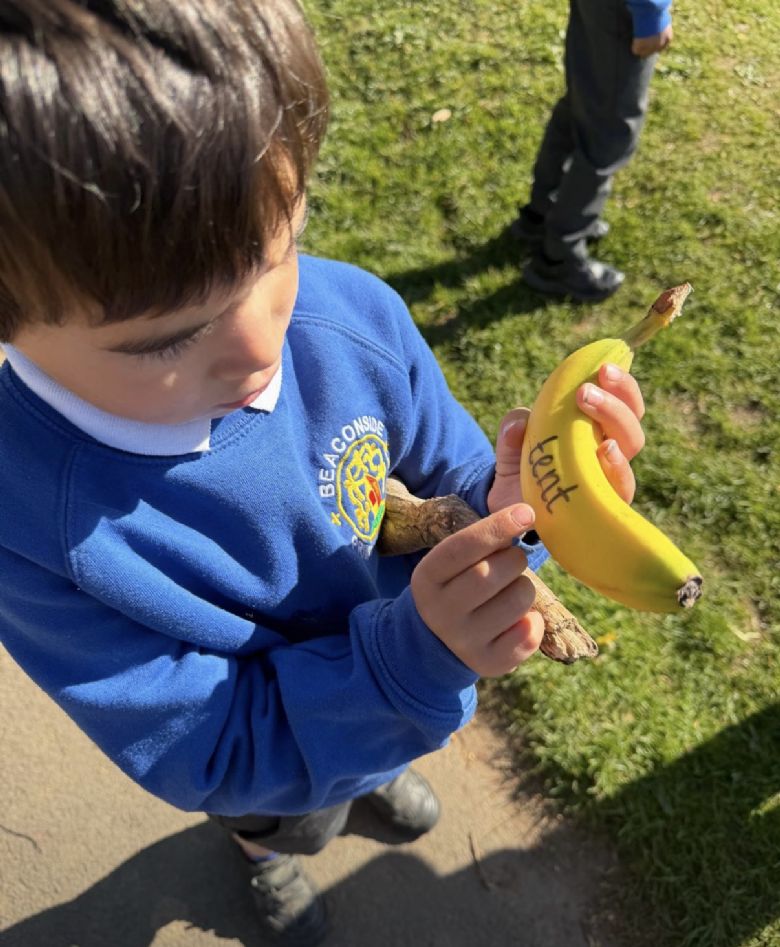
We promote healthy eating throughout the school day and provide fresh fruit and milk in the morning.
Snack time is also an opportunity for children to develop independence, practise good manners and build positive relationships. We encourage children to show compassion by being kind, considerate and respectful towards one another.
Communication
We value positive relationships between home and school and recognise that working together helps every child to thrive.
Class teachers are available to speak with you briefly at the beginning or end of the school day. If you would like to discuss something in more depth, please arrange an appointment through the school office.
By working in partnership, we can nurture each child’s joy, hope, faith, courage and compassion, helping them feel valued, supported and ready to flourish throughout their Reception journey.
We look forward to a wonderful year of learning, discovery and growth together!